Start With Breathing
Do you know that the way you breathe can influence how you FEEL, how you THINK, and and how you ACT?
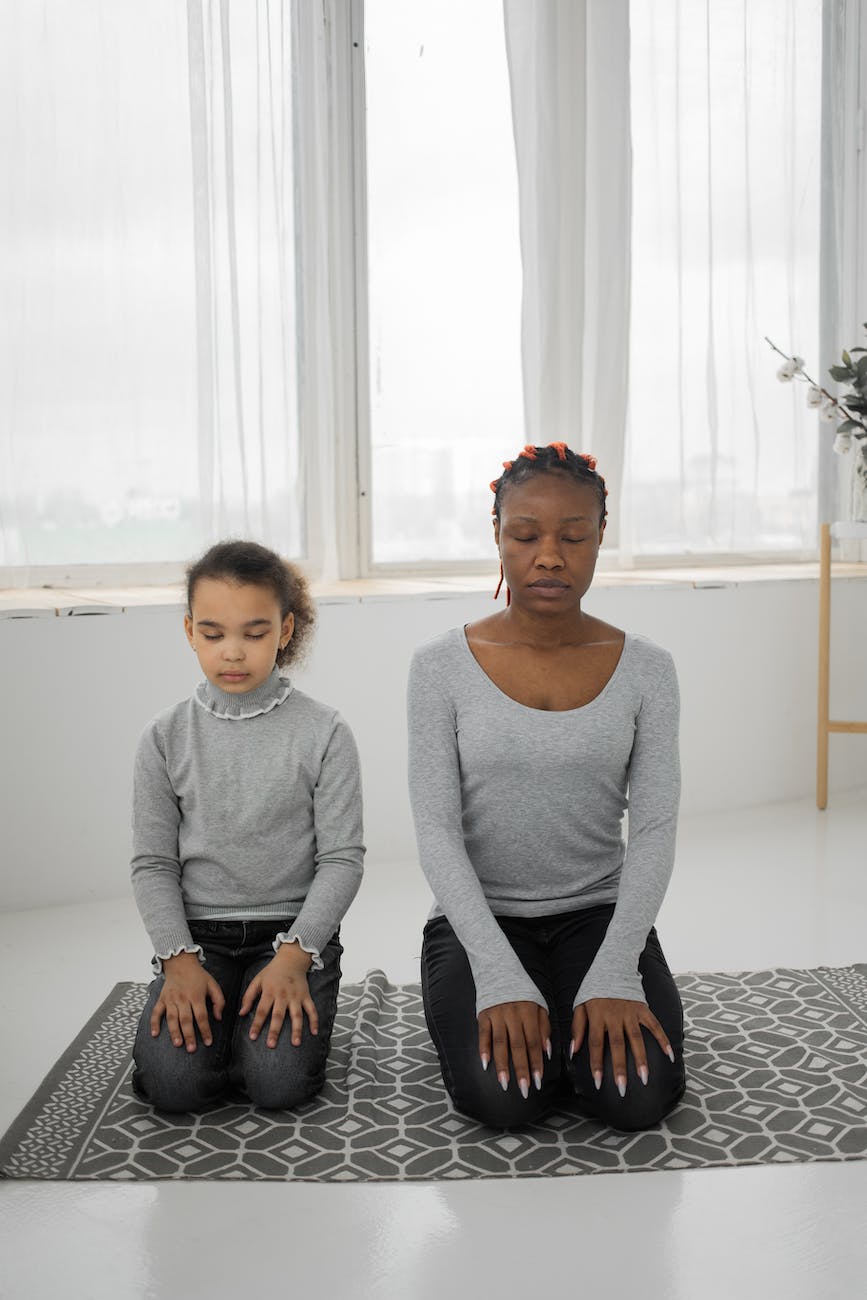
Stress, anxiety, and anger can activate our fight or flight response. In this state our body becomes tense, our heart might beat fast, and breathing become shallow signaling that we are in danger. Helpful when a threat is real, not so helpful when it is a false alarm.
Taking slow, deep breaths can counter this physiological response. It allows more oxygen to reach our brain and provides a signal to our body that we are safe and it is time to start to relax. A calmer body produces calmer (and more accurate and helpful) thoughts.
Practicing and using diaphragmatic (belly) breathing can reduce stress and help regulate emotions. It is an effective relaxation strategy to manage anxiety. Slowing our breathing and breathing deep into the abdomen can also facilitate calm as well as more clear and complex thinking. This can help us act more deliberately and compassionately during interactions with others and make better choices when upset. It has also been proven to improve health by lowering blood pressure and heart rate. It can be done anywhere and anytime.
Helping Children Learn Belly Breathing as a Calming Strategy.
Learning and using belly breathing can help children remain calm or calm down when upset. It can reduce anxiety and anger. It is a powerful go-to strategy for coping with stress and frustration and regulating strong negative emotional reactions.
First, work on breathing slowly. Breathe in through your nose and out through your mouth. Teach and practice belly breathing when you and your child are already calm.
The following are techniques that can help teach belly breathing:
Belly Breathing with a Stuffed Animal
Belly Breathing with a Stuffed Animal: Lay down with your child and place a stuffed animal on your stomach. Show your child that the goal is to fill your belly and watch the stuffed animal rise when you breathe in through your nose and lower when you exhale through your mouth. (This will also help a child feel lower breathing when they are standing)
Cupcake Breathing
Cupcake Breathing: Pretend that you are smelling a delicious cupcake (or any favorite scent) by breathing in through your nose slowly and then slowly blow out a pretend candle on the cupcake.
Bubble Breathing
Bubble Breathing: Use bubbles to practice breathing out slowly try to make one large bubble.
Stretch then Breathe
Stretch then Breathe: Raise your arms in the air and then slowly lower down and slightly behind your back. Then breathe deeply in through your nose and out through your mouth 2-4 seconds depending on the age of the child.
Shape Breathing
Shape Breathing: Trace a triangle, star, or square in the air or use a picture of one of these shapes. Breathe in for three seconds while tracing up one side of the shape then breathe out for three seconds while tracing down another side. (etc. 5 breaths for a star, 4 for a square).
Breathing with your Child
Breathing with your child: If your child allows you, gently hold his or her hands and breathe slow and deep together. (If your child is very upset you might breathe near him or her to calm yourself and model taking slow deep breaths.)
Practice alone and practice with your child.
As a parent, practicing and using diaphragmatic breathing models positive coping and help us to remain calm to respond more sensitively and thoughtfully with our children when they are stressed, anxious, overwhelmed or angry.
When our children are upset we can easily become upset as well. Think of slow, deep breathing as a co-regulating strategy. Prioritize calming yourself first to be able to respond compassionately and calmly to your child. Children know when you are “faking” calm. Trying to calm your child down when your face and body are tense or emotionally worked up is hard and often leaves everyone drained and discouraged. The more you work to be able to effectively calm yourself the better you will be able to handle challenging situations and your child’s anxiety or strong emotions.
Breathing through a temper tantrum or breathing slowly with your anxious child supports healthy coping and a positive connection. Practicing diaphragmatic breathing on your own and with your child on a regular basis makes it easier to access calm in challenging or emotionally charged situations. This takes time and practice. The effort will pay off. Remember you are the emotional anchor and you are more helpful to your upset child when you are calm and regulated first.
Practice. Practice. Practice. Make breathing together an everyday habit. Pick a time when you can relax and breathe together. The more often you practice the more automatic this calming strategy will become. Even two minutes of calm belly breathing a day will have great benefits for you and your child.
References and additional resources:
- Freeing your child from anxiety by Tamar E Chansky, PhD:
- https://www.psychologytoday.com/us/blog/brain-waves/201704/the- inside-story-how-slow-breathing-calms-you-down
- https://copingskillsforkids.com/deep-breathing-exercises-for-kids
- https://www.healthline.com/health/diaphragmatic-breathing
- https://www.pbs.org/parents/crafts-and-experiments/practice- mindfulness-with-belly-breathing
Subscribe for updates and handouts.
Need help?
Get in touch
Connect

-

Happy New Year!
For many the start of a new year is a time to reflect and set resolutions. It presents an opportunity to assess both achievements and disappointments from the past year, to cultivate gratitude, and to set goals for change. Read more
-

Reduce the Rage: Managing Anger Better
Anger is a healthy and normal emotion. Everyone gets angry, but not everyone expresses it well. This is the second in a two-part blog series on Managing Anger with Recognizing & Resetting. Read more
-

Better Communication with Teens
Communication is key to building a healthy relationship during the teenage years. Below are a few suggestions for how to connect and improve communication with your teen. Read more