Signs and Screening for Autism
Autism is now one of the most commonly diagnosed developmental disabilities in early childhood.
It is estimated that about 1 in 59 children in the United States has an autism spectrum disorder (ASD).
(See: https://www.cdc.gov/ncbddd/autism/data.html)
Children with an ASD have difficulty in reciprocal (back and forth) communication and social interactions, as well as problems with restricted or repetitive behaviors. Symptoms start in early childhood and can affect a child’s daily functioning and participation in play and learning activities. Early concerns for ASD may begin around 9-12 months, but more subtle signs and behaviors are more often recognized when a child is around 24 months.
Screening for Autism:
A screening is the first step to help determine if an evaluation is needed. The list of signs and symptoms presented below can help flag behaviors that might be concerning and require follow-up with a physician or psychologist. A screening questionnaire can also help identify possible problematic behaviors.
Links to Modified Checklists for Autism in Toddlers (M-CHAT) Screenings:
Possible signs or indicators during toddlerhood:
- Limited interest in social and reciprocal face-to-fact interactions (unless interactions are also physical such as rocking, tickling, tossing in the air)
- Seeking physical comfort from parents infrequently
- Limited response to name
- Fleeting eye contact or eye contact that is not consistent with social interactions
- Communication that is scripted, repetitive or with unusual pitch and intonation
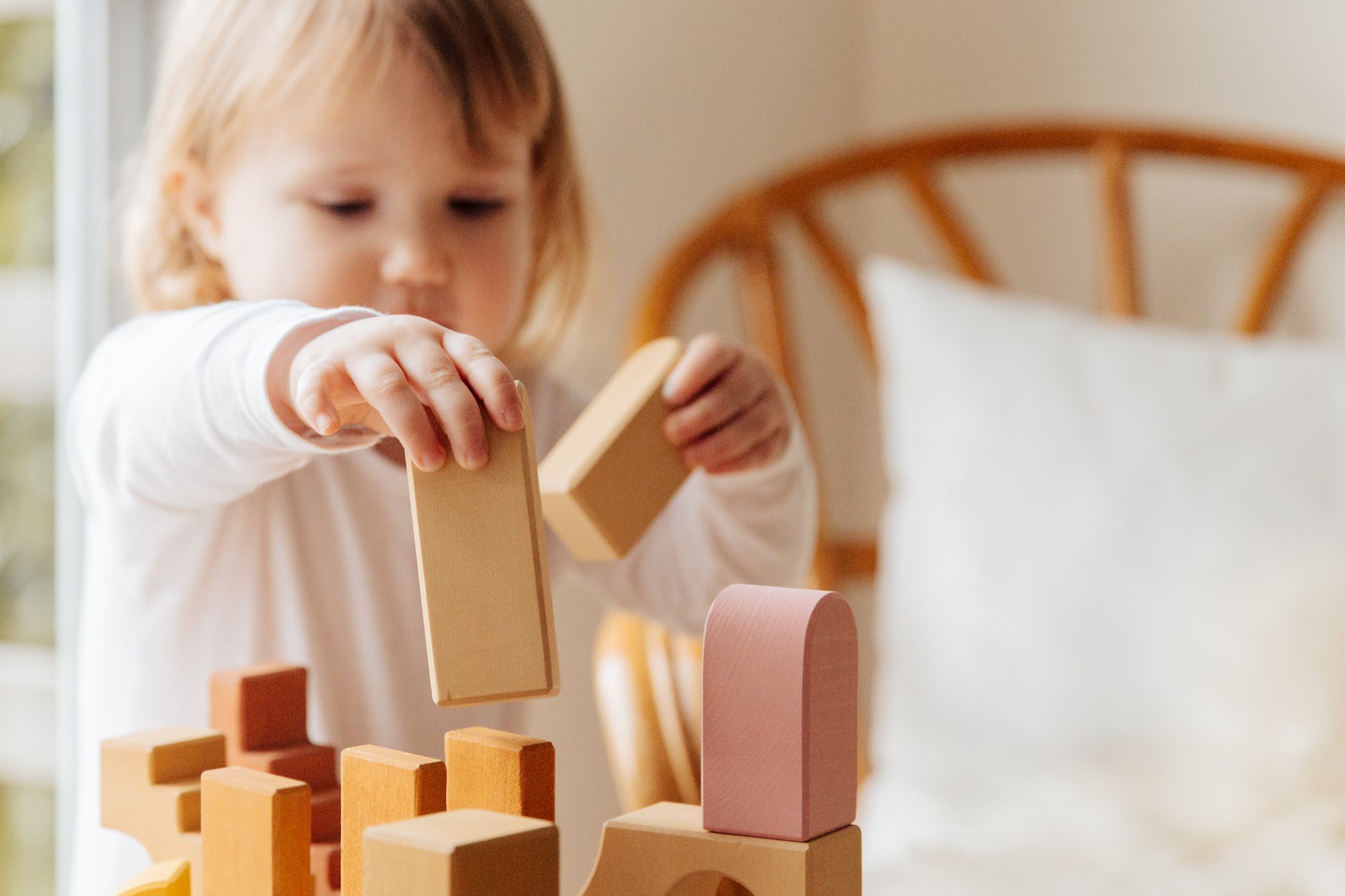
- Limited creativity or pretend in play
- Uses few or no gestures
- Moving quickly between toys and objects, stereotypical play, or unusual sensory interest in exploring objects (e.g., licking toy, sniffing objects, rubbing toy on face)
- Not engaging in “pretend” games/activities (e.g., pretend to “feed” a doll) by 18 months
- Motor mannerisms such as hand flapping, toe walking, repeatedly opening and closing doors
- Flat or inappropriate facial expressions
Later early childhood behavioral indicators:
- Avoiding eye contact and wanting to be alone
- Having trouble understanding other people’s feelings or talking about their own feelings
- Impaired ability to make friends or develop relationships with peers
- Impaired ability to initiate or sustain conversations with others
- Does not share interests with others
- Absence or impairment of imaginative and social play
- Stereotyped, repetitive, or unusual use of language
- Excessive use of repetitive words or phrases (echolalia)
- Giving unrelated answers to questions
- Restricted patterns of interest that are abnormal in intensity or focus
- Preoccupation with certain objects or topics
- Getting upset by minor changes
- Delayed speech and language skills
- Inflexible adherence to specific routines or rituals
- Having obsessive interests
- Does not understand jokes, sarcasm or teasing
It is important to consider that it is the combination of different behaviors that would lead to a referral for a more comprehensive evaluation to determine if a child meets criteria for an ASD diagnosis. Autism is a complex neurodevelopmental disorder that is best diagnosed by experienced professionals using standardized measures of functioning and a thorough assessment of a child’s medical and developmental history. Early identification and accurate assessment of developmental disabilities is critical so that targeted support and evidence-based interventions can be accessed to facilitate optimal development and functioning for children.
If you have concerns about your child’s behaviors or development you can contact us to schedule a consultation or talk with an early childhood psychologist or pediatrician to determine if a diagnostic evaluation is needed.
References
Ellingsen, K., Boone, D, & Chavis, L. (2016). Assessment related to developmental disabilities and psychological disorders during early childhood. In A. Garro (Ed.), Early Childhood Assessment in School and Clinical Psychology (pp. 203-231). NY: Springer Publishing.(https://www.springer.com/us/book/9781493963478)
Resources
- Centers for Disease Control and Prevention:
- Milestones Tracker:
- Autism Speaks:
Subscribe for updates and handouts.
Need help?
Get in touch
Connect

-

Sleep and Teenagers
Many teens are chronically sleep deprived. The recommended amount of sleep for adolescents is 8-10 hours a night to function at their best, yet most average only about 7-7 1/2 hours. An earlier high school start time, physiological changes, involvement in extracurricular activities, and demands related to completing academic work may contribute to less sleep. Read more
-

Recommendations and Strategies to Help Children to Get Sufficient Sleep
There are many reasons that children and teenagers do not get enough sleep. Illness, medication side effects, anxiety, parent behavior and expectations, FOMO, an inconsistent sleep routine, and bedroom environment can each contribute to the amount and the quality of sleep for a child. Read more
-

Sleep Blog: How Much Sleep Do Children Need?
Sleep is essential for health and well-being, but many children and adults have trouble falling asleep, staying asleep, and getting enough sleep. Not getting adequate sleep can negatively affect learning and mood for children and teens. Read more