Happy New Year!
For many the start of a new year is a time to reflect and set resolutions. It presents an opportunity to assess both achievements and disappointments from the past year, to cultivate gratitude, and to set goals for change. It might bring a sense of hope and excitement for new possibilities, as well as a time to
grieve from loss or unmet needs and reconcile expectations about what you thought would occur and your present reality.

While making lifestyle changes to improve general health is a positive endeavor (and can happen any time), there might be pressure to set unattainable resolutions this time of year.
If you want to set goals for change in the new year:
- Make a plan.
- Keep it simple.
- Be specific. Identify one or two behaviors in a general area.
- Run twice a week for 30 minutes vs exercise more
- Turn off the TV and computer at 8:00pm vs spend less time on electronics
- Be realistic. Change takes time and effort. Research now finds that habits take between 18-254 days to form – averaging 66 days not 21 as previously thought.(https://onlinelibrary.wiley.com/doi/abs/10.1002/ejsp.674)
Also, consider resolutions that relate to promoting family health and strengthening family relationships. This effort can start with reducing family stress. The article “Managing Stress for a Healthy Family” offers the following five suggestions to help: (https://www.apa.org/helpcenter/managing-stress.aspx)
- Evaluate your lifestyle. Model healthy behaviors for children
- Talk about it. Initiate conversations and provide opportunities for your children to talk about their feelings. Ask how they are doing.
- Create a healthy environment. Create a clear and relaxing physical
- environment.
- Focus on yourself. Make sure you are eating well and getting enough physical activity and sleep.
- Change one habit at a time. Focus on changing one behavior at a time to reduce feeling overwhelmed and increase success.
Make your new years resolutions a family affair:
Get everyone involved in setting family goals. Making positive lifestyle change is easier with support. Involving your children and partner can help. Focus the discussion on positive changes and point out achievements from the past year. The Gottman Institute offers the following suggestions as “resolutions that are easier kept as a family” (https://www.gottman.com/blog/make-new-years-resolutions-family-affair/)
- Go to bed at the same time
- Unplug devices
- Eat meals together
- Create reading time
- Exercise as a family
- Work toward a financial goal
- Switch out soda
- Go meatless one day a week
For recommendations on helping children identify and set their OWN goals see: https://www.parents.com/holiday/new-years/resolution/8-ways-to-help-kids-make-new-years-resolutions/.
Finally aim for gradual, ongoing change that is sustainable. Think about what would work for you and your family. Don’t give up if you have a setback- life is full of unexpected challenges and some days are just hard. Getting back on track and working toward the goals you set for yourself or as a family is a great model for your children of resilience and perseverance.
Happy 2023!
Subscribe for updates and handouts.
Need help?
Get in touch
Connect

-

Sleep and Teenagers
Many teens are chronically sleep deprived. The recommended amount of sleep for adolescents is 8-10 hours a night to function at their best, yet most average only about 7-7 1/2 hours. An earlier high school start time, physiological changes, involvement in extracurricular activities, and demands related to completing academic work may contribute to less sleep. Read more
-

Recommendations and Strategies to Help Children to Get Sufficient Sleep
There are many reasons that children and teenagers do not get enough sleep. Illness, medication side effects, anxiety, parent behavior and expectations, FOMO, an inconsistent sleep routine, and bedroom environment can each contribute to the amount and the quality of sleep for a child. Read more
-
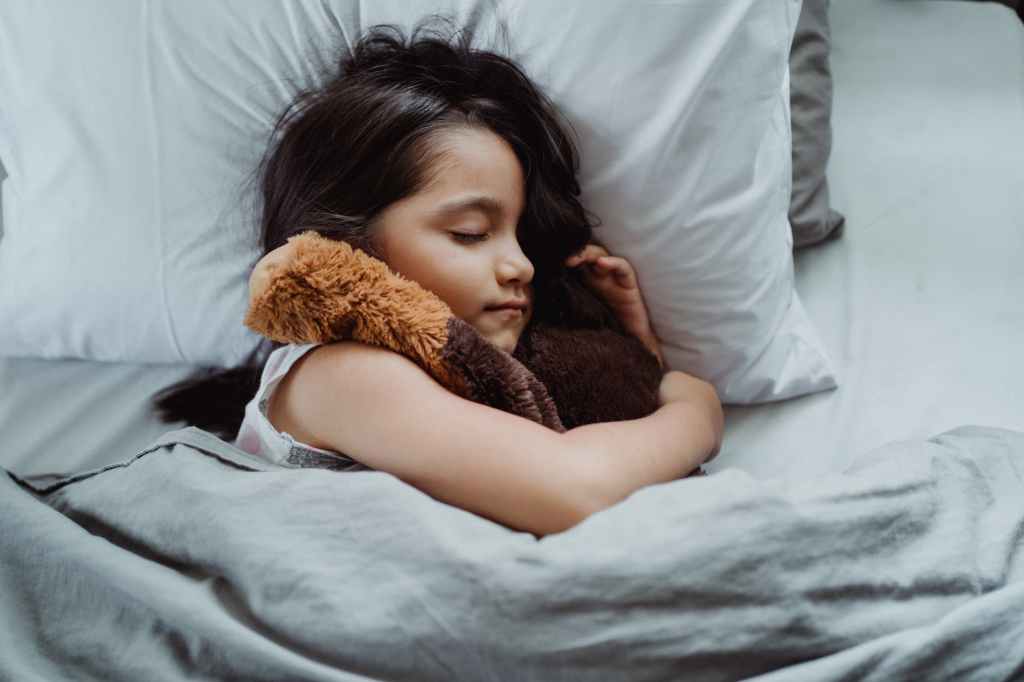
Sleep Blog: How Much Sleep Do Children Need?
Sleep is essential for health and well-being, but many children and adults have trouble falling asleep, staying asleep, and getting enough sleep. Not getting adequate sleep can negatively affect learning and mood for children and teens. Read more