Reducing Teen Anxiety Using 3 R’s: Recognize, Relax, Re-think
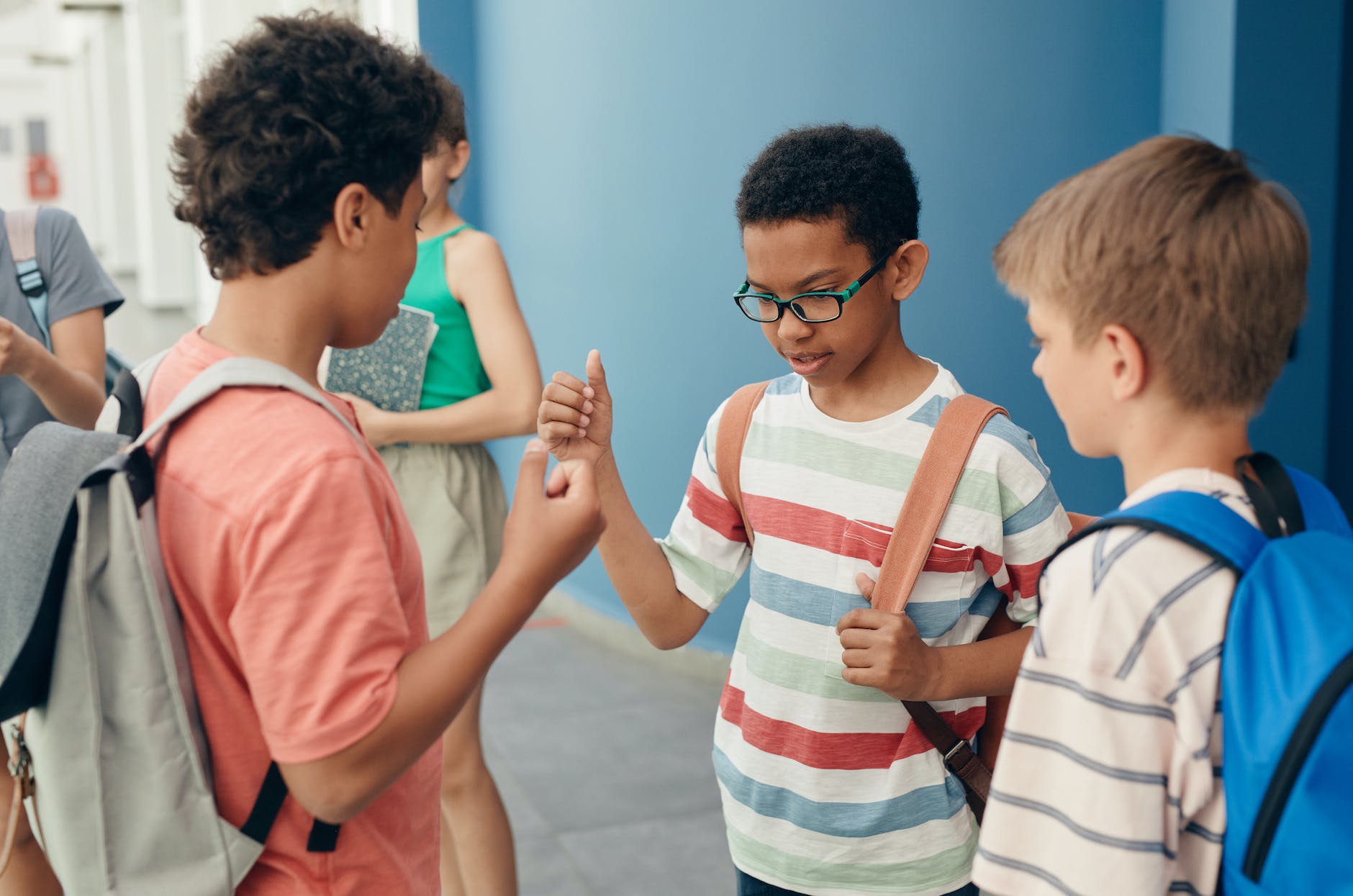
Being a teenager can be hard. At times, very hard. Physical changes, academic
demands, and different social or romantic pressures create new challenges and potential areas of stress. Being a teenager in a pandemic can make this time even harder. Unexpected challenges now include adjusting to new and different learning formats, trying to connect with others with distance, limited participation in enjoyable or relaxing activities, health concerns, and managing uncertainty about the future (as well as disappointment from cancelled plans and opportunities). Teens, like adults, are experiencing more stress. Anxiety is a normal response to stress.
While anxiety IS a protective response of the body to react to danger (and helpful when there is real danger so we don’t want to get rid of all of it) it can also become too intense, frequent, consuming, limiting, and distressing. A problem when the body responds to a “false alarm” (and small chance of actual danger) and there is a very real – but not productive- physical reaction. Thoughts and actions also determine (and influence) anxiety level.
The good news is that anxiety CAN be reduced and better managed. Even in a pandemic there are strategies to learn and practice that can help teens be able to calm and better deal with anxiety and stress.
Three R’s Steps to Help Manage and Reduce Anxiety:
Recognize.
- Recognize anxiety for what it is. Learn your early signs. Label it.
- Common physical symptoms of anxiety include: a racing heart, shallow breathing, tightness in chest or feeling like there is a lump in your throat, sweaty palms, tingling in hands, tight muscles & headaches.(See https://www.anxietycanada.com/articles/learning-to-recognize-when-im- anxious-body-reactions/)
- Recognize early signs and symptoms. Pay attention to the physical signs when you are first starting to feel nervous. This is the time to breathe and try to calm the body.
- Behaviors that might also indicate increased anxiety for teens include the following: Changes in appetite or eating. Trouble falling asleep. Forgetfulness, distractibility, difficulty learning and focusing. Asking for frequent reassurance. Fear of being alone. Complaints about physical symptoms (headaches, stomachaches). Anger or Oppositional behavior. Increased moodiness or irritability.
Relax.
- Learn relaxation strategies and practice these when calm. DAILY.
- Diaphragmatic breathing, Progressive Muscle Relaxation (PMR), guided imagery, mindfulness all lower stress and reduce anxiety. These techniques counter anxiety and provide signals to the brain that there is “no danger” and therefore reduce anxiety and help increase calm and rational thinking.
- Breathing that signals your body to relax has 2 essential elements: 1) in through the nose, out through the mouth 2) Longer exhale. Breathe slowly and think about getting air low 4 seconds in, 5 seconds out thought the mouth. The way you breathe can influence how you FEEL, how you THINK, and how you ACT.
Re-Think.
- Notice negative and unhelpful thoughts and thinking patterns.
- Thoughts can increase or decrease anxiety. Don’t get stuck in worry. (Worry is the thought component of anxiety. It can be helpful when it motivates action, but when worry is out of proportion to the risk, causes distress, is frequent or causes distress). Everyone has anxious thoughts at times, and these come automatically (a “1st
thought”). Choose more helpful, balanced, and realistic “2nd” thoughts. (See Anxiety Canada: https://www.anxietycanada.com/articles/challenge-negative-
thinking/)
- Ask yourself, what am I worried about now? What do I think will happen? The more your mind focuses on worst-case scenarios and scary “what ifs”, the more anxious you will feel. When we think about something scary our brain tells our body to prepare to respond to the threat by sending fight or flight signals. Use coping statements and
question the accuracy and helpfulness of these thoughts. Encourage a balanced perspective. Review alternative outcomes. Limit worry that focuses on hypothetical worries instead of practical worries. Take action steps with worry to do something that is in your control. Redirect thoughts to what is in your control.
- Managing anxiety means calming the body and the mind. Relaxing the body will relax the mind and vice versa. Remember, using relaxation strategies in a moment of anxiety is hard without frequent practice of these skills when calm. The goal is not to get rid of all anxiety, but to learn and practice strategies to cope better.
- Finally, to manage stress and anxiety and feel better generally create healthy routines, get enough sleep, limit upsetting news and social media, and get regular exercise (30 minutes of walking a day is a great stress reducer). One more article from Anxiety Canada that might be
helpful with the start of school.
If your child or teen is struggling to manage anxiety, please reach out to us for support.
Subscribe for updates and handouts.
Need help?
Get in touch
Connect

-
Managing Anxiety
Anxiety is a normal and expected part of life. It keeps us safe when there is danger or a threat of danger. It occurs for common reasons at different developmental stages of life. Anxiety can also be a problem when it is frequent, exaggerated, and negatively affects functioning and participation in daily activities. Read more
-
Autism Spectrum Disorders
Autism is now one of the most commonly diagnosed developmental disabilities in early childhood. It is estimated that about 1 in 59 children in the United States has an autism spectrum disorder (ASD). Read more
-

Start with Breathing
Stress, anxiety, and anger can activate our fight or flight response. In this state our body becomes tense, our heart might beat fast, and breathing become shallow signaling that we are in danger. Helpful when a threat is real, not so helpful when it is a false alarm. Read more