Sleep and Teenagers
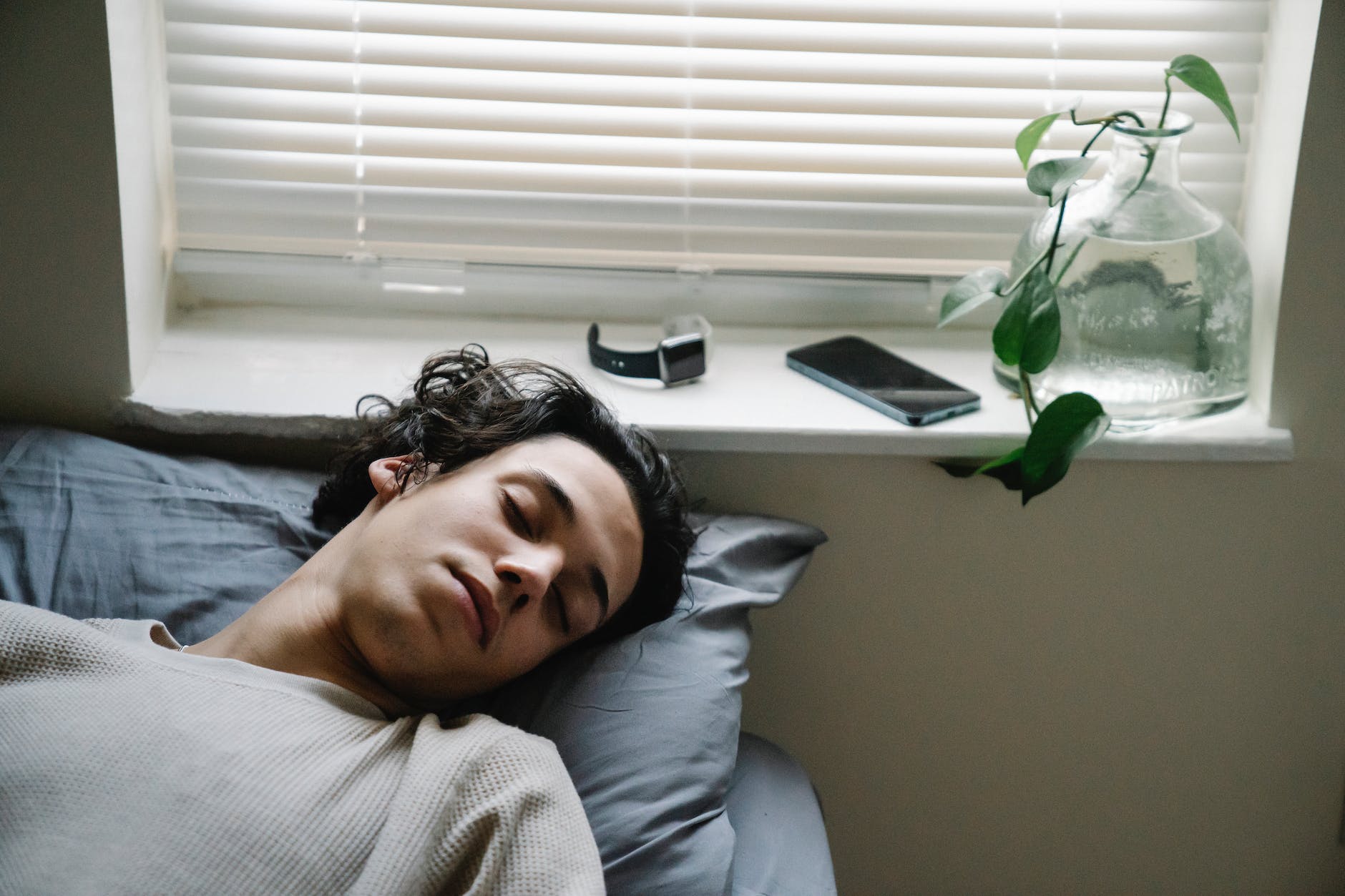
Many teens are chronically sleep deprived. The recommended amount of sleep for adolescents is 8-10 hours a night to function at their best, yet most average only about 7-7 1/2 hours. An earlier high school start time, physiological changes, involvement in extracurricular activities, and demands related to completing academic work may contribute to less sleep. In addition, screen time (video games, phone and social media use) is another important contributor to reduced sleep and sleep problems for many teenagers.
As described in a previous blog, getting less than the recommended amount of sleep will influence mood, behavior, learning and academic success. Teens may be more easily frustrated, have more difficulty regulating emotions, display increased risky behavior, exhibit memory and attention problems, and drive drowsy increasing their risk for car accidents.
Recommendations for improving sleep for adolescents:
- Remove televisions from bedroom. Limit computer and phone use (*again, limit screen time at night and stop use at least 30 minutes before bedtime)
- Talk with your teen about recommended number of hours and consequences, ask him or her to help problem solve and determine what time to get into bed to get minimum number of sleep hours.
- Maintain / Encourage consistent bed times and schedule, even on the weekend.
- Avoid afternoon/evening caffeine
- A 15-20 minute early afternoon nap can help
- Help your teenager keep a quiet, dark, and cool room
- Encourage your teen to get out of bed and do something different if he or she cannot fall asleep after 30 minutes lying in bed (an activity not involving electronics)
If problems are ongoing and significantly affecting child (or parent) functioning please seek additional support to rule out medical issues or causes. Also, medications, stress, anxiety and depression can each influence the quality and amount of sleep and should be considered when evaluating the causes of problems and where to begin for support.
Resources and References:
- https://www.sleepfoundation.org/articles/teens-and-sleep
- https://childmind.org/article/help-teenagers-get-sleep/
- https://kidshealth.org/en/parents/sleep.html#catbehavior
- https://www.sleepfoundation.org/sleep-solutions/sleep-tools-tips
- https://childmind.org/article/encouraging-good-sleep-habits/
- https://www.nationwidechildrens.org/specialties/sleep-disorder-center/sleep-in-adolescents
Subscribe for updates and handouts.
Need help?
Get in touch
Connect

-

Identifying Attention Deficit Hyperactivity Disorder (ADHD) in Young Children
ADHD can profoundly affect children’s educational performance, wellbeing, and social interactions (American Academy of Pediatrics, 2011). Common referral concerns for ADHD include exhibiting behaviors such as high activity level, impulsivity, and poor attention. Read more
-

Reducing Teen Anxiety Using 3 R’s: Recognize, Relax, Re-think
Being a teenager can be hard. At times, very hard. Physical changes, academic demands, and different social or romantic pressures create new challenges and potential areas of stress. Read more
-

Keeping Teens Safe and Supported: What to Know about Depression
Everyone feels sad or discouraged at times. These are normal and expected emotions. Mood can be up and down throughout a day. However, when mood remains low for an extended period of time and behaviors change it could indicate something more going on. Read more