Sleep: How much Sleep Do Children Need?
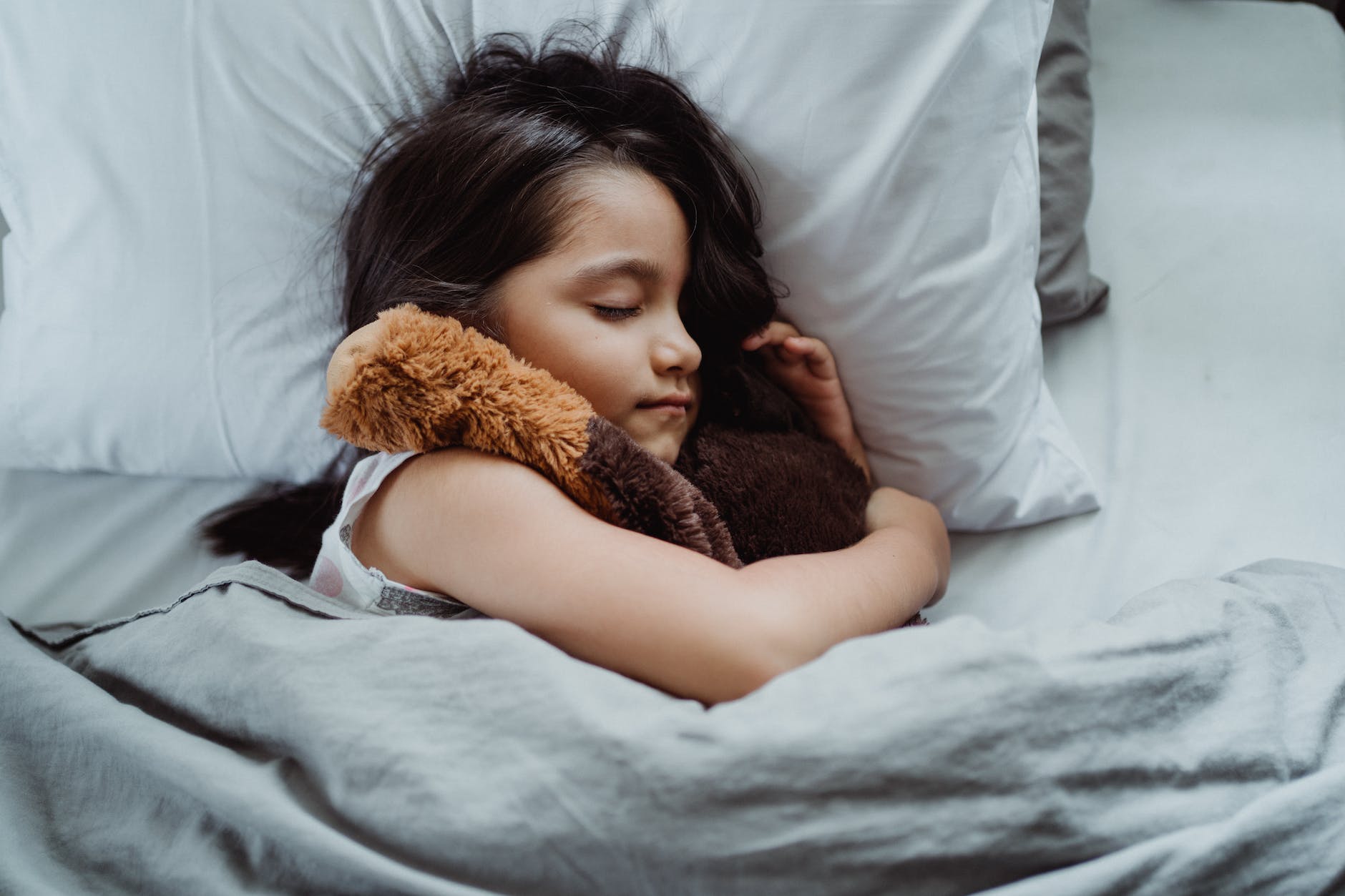
Sleep is essential for health and well-being, but many children and adults have trouble falling asleep, staying asleep, and getting enough sleep.
Not getting adequate sleep can negatively affect learning and mood for children and teens. In fact, the consequences of too little and poor quality sleep are vast, with short term and long term negative affects on physical health, mental health, and daily functioning.
This is the first of a three part blog series about sleep. This blog will provide information about how much sleep is recommended for different ages. The second blog will describe negative consequences of not getting enough sleep for children and teens. The third blog will offer recommendations to help improve the amount and quality of sleep for children and teens.
So how much sleep is needed for optimal health in children? The National Sleep Foundation provided the following updated recommendations on the ideal average sleep ranges by age:
- Newborns (0-3 months): 14-17 hours each day (previously 12-18)
- Infants (4-11 months): 12-15 hours (previously it was 14-15)
- Toddlers (1-2 years): 11-14 hours (previously it was 12-14)
- Preschoolers (3-5): 10-13 hours (previously it was 11-13)
- School age children (6-13): 9-11 hours (previously it was 10-11)
- Teenagers (14-17): 8-10 hours (previously it was 8.5-9.5)
- Younger adults (18-25): Sleep range is 7-9 hours (new age category)
- Adults (26-64): Sleep range did not change and remains 7-9 hours
- Older adults (65+): Sleep range is 7-8 hours (new age category)
Similarly, in 2016, the American Academy of Pediatrics (AAP) endorsed the American Academy of Sleep Medicine (AASM) guidelines that outlined recommended sleep duration for children from infants to teens. The consensus group recommended the following sleep hours (for
a 24 hour period, including naps) on a regular basis to promote optimal health:
- Infants 4 months to 12 months should sleep 12 to 16 hours
- Children 1 to 2 years of age should sleep 11 to 14 hours
- Children 3 to 5 years of age should sleep 10 to 13 hours
- Children 6 to 12 years of age should sleep 9 to 12 hours
- Teenagers 13 to 18 years of age should sleep 8 to 10 hours
Timing, regularity and quality of sleep are also important – and there are many reasons for not getting enough sleep. Medical conditions, medication side effects, stress or anxiety can all influence sleep duration and quality, as well as sleep environment, bedtime routines, and parent behaviors. If you have concerns about your child’s sleep please talk with your child’s pediatrician or a therapist with experience helping address pediatric sleep issues.
References and Resources
Subscribe for updates and handouts.
Need help?
Get in touch
Connect

-

Happy New Year!
For many the start of a new year is a time to reflect and set resolutions. It presents an opportunity to assess both achievements and disappointments from the past year, to cultivate gratitude, and to set goals for change. Read more
-

Reduce the Rage: Managing Anger Better
Anger is a healthy and normal emotion. Everyone gets angry, but not everyone expresses it well. This is the second in a two-part blog series on Managing Anger with Recognizing & Resetting. Read more
-

Better Communication with Teens
Communication is key to building a healthy relationship during the teenage years. Below are a few suggestions for how to connect and improve communication with your teen. Read more