Children & Teens
Dr. Ellingsen works with children and parents to improve well being and functioning, strengthen relationships, and build skills to better manage stress, anxiety, behavior, and emotions.
Managing Stress and Anxiety
Anxiety

Teens and Panic Attacks: What are they and What to Do
Anxiety is a normal and expected part of life. It keeps us safe when there is danger or a threat of danger. Read More.
Dr. Kirsten Ellingsen

Do you know that the way you breathe can influence how you FEEL, how you THINK, and and how you ACT? Stress, anxiety, and anger can activate our fight or flight response. Read More.
Dr. Kirsten Ellingsen

Uncertainty is unavoidable in daily life. Not being able to tolerate uncertainty is a sure path to increased worry and anxiety. Read More.
Dr. Kirsten Ellingsen

Reducing Teen Anxiety Using the Three R’s: Recognize, Relax, Re-think
Being a teenager can be hard. At times, very hard. Physical changes, academic demands, and different social or romantic pressures create new challenges and potential areas of stress. Read More.
Dr. Kirsten Ellingsen
Reducing Depression Symptoms
Depression

Keeping Teens Safe and Supported: What to Know About Depression
Everyone feels sad or discouraged at times. These are normal and expected emotions. Read More.
Dr. Kirsten Ellingsen
Building Social Skills and Friendships
Health and Wellness
ADHD

Identifying Attention Deficit Hyperactivity Disorder (ADHD) in Young Children
Attention Deficit Hyperactivity Disorder (ADHD) is one of the most commonly diagnosed behavioral disorders in childhood. Read More.
Dr. Kirsten Ellingsen
Autism Spectrum Disorders
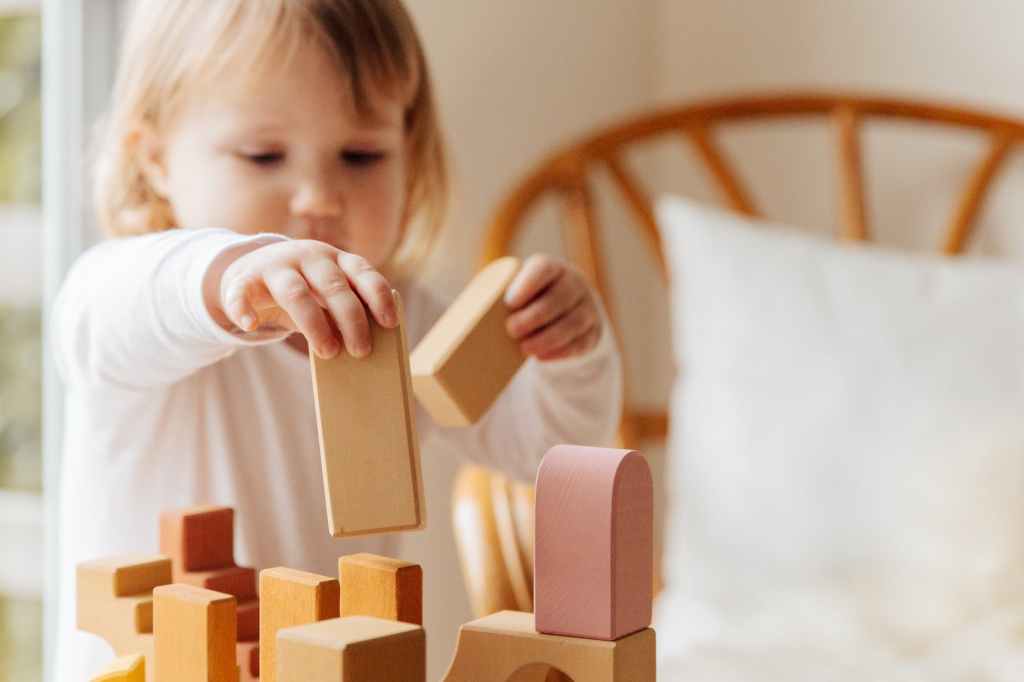
Autism is now one of the most commonly diagnosed developmental disabilities in early childhood. Read More.
Dr. Kirsten Ellingsen
Sleep
Seep is essential to the health and well-being of children and teens:
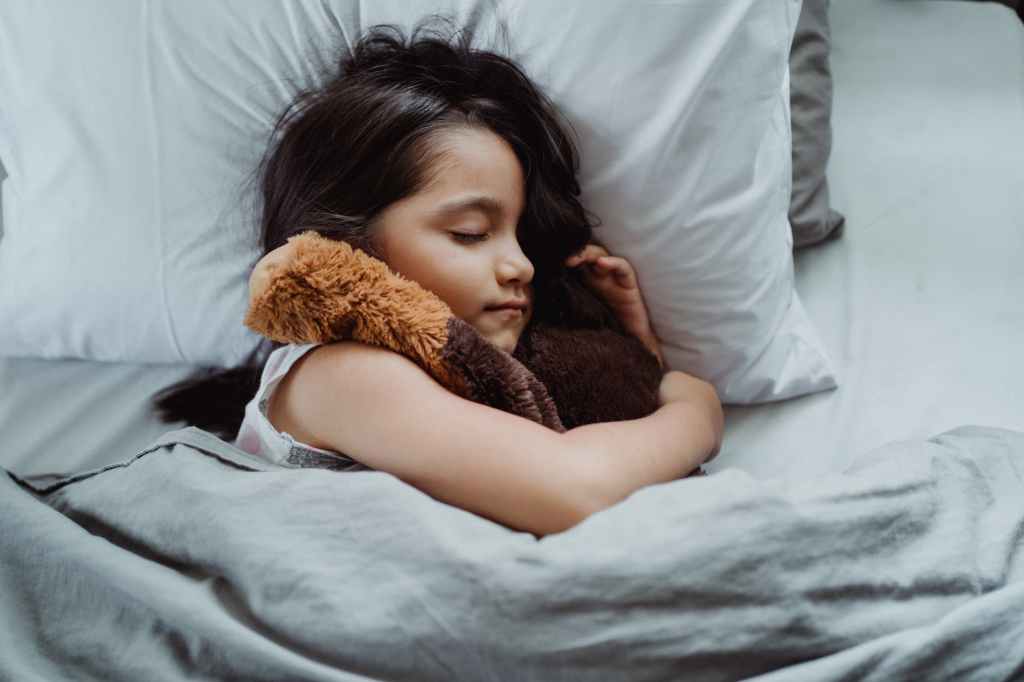
Sleep: How much Sleep Do Children Need?
Sleep is essential for health and well-being, but many children and adults have trouble falling asleep, staying asleep, and getting enough sleep. Not getting adequate sleep can negatively affect learning and mood for children and teens.
Dr. Kirsten Ellingsen
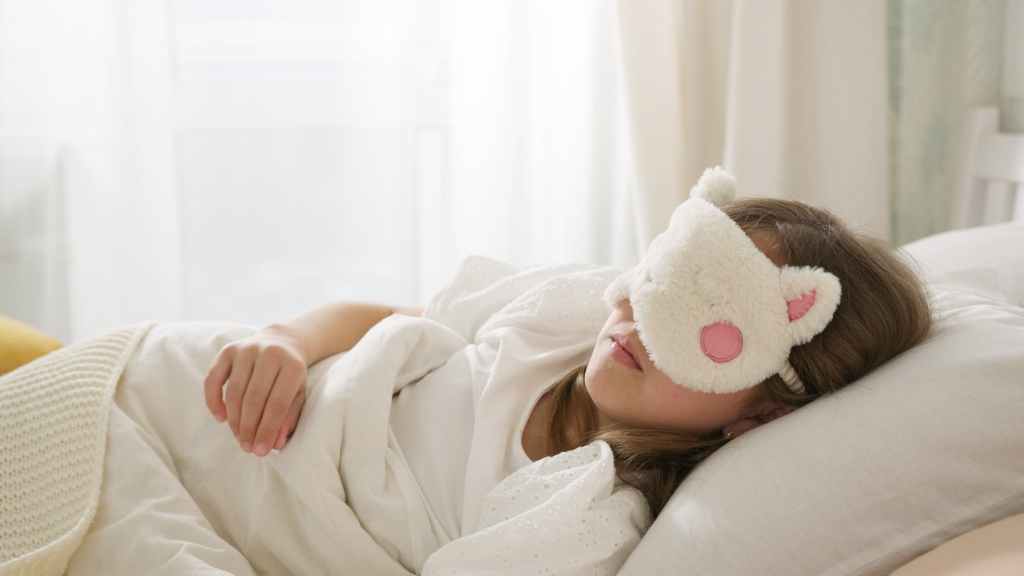
Recommendations and Strategies to Help Children get Sufficient Sleep
There are many reasons that children and teenagers do not get enough sleep. Illness, medication side effects, anxiety, parent behavior and expectations, FOMO, an inconsistent sleep routine, and bedroom environment can each contribute to the amount and the quality of sleep for a child. Read More.
Dr. Kirsten Ellingsen

Many teens are chronically sleep deprived. The recommended amount of sleep for adolescents is 8-10 hours a night to function at their best, yet most average only about 7-7 1/2 hours. An earlier high school start time, physiological changes, involvement in extracurricular activities, and demands related to completing academic work may contribute to less sleep. Read More.
Dr. Kirsten Ellingsen
Subscribe for updates and handouts.
Need help?
Get in touch
Kirsten Ellingsen, PhD, PMH-C
Sarasota, Florida: 2415 University Parkway, Building 3, Suite 219, Sarasota FL 34243
South Tampa, Florida: 3314 Henderson Blvd, Suite 305, Tampa FL 33609
(813)-388-8728
Connect

-
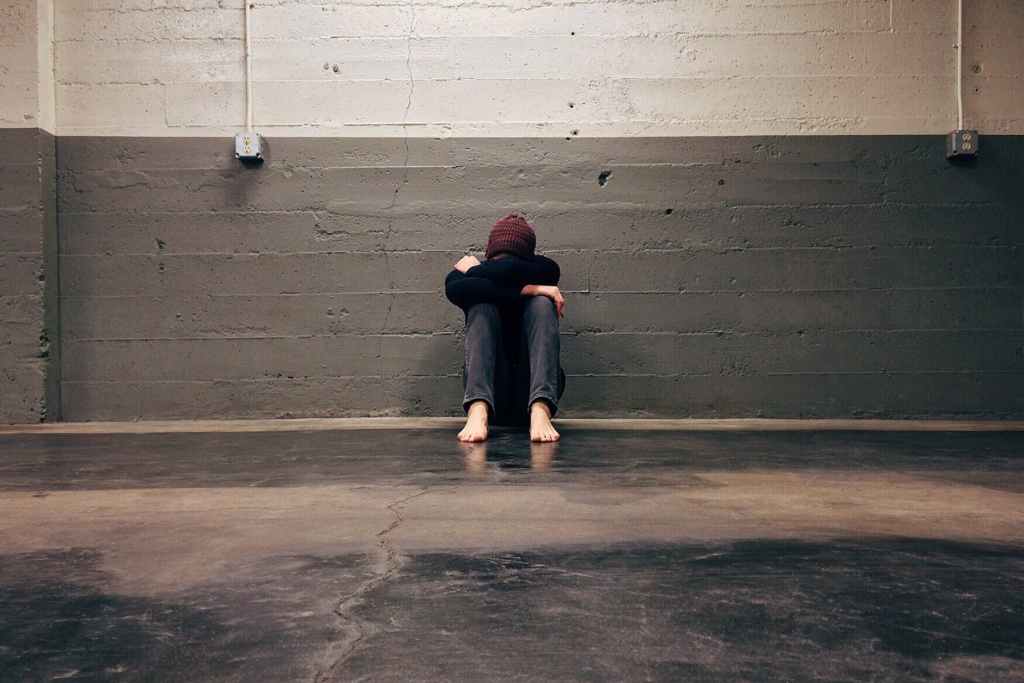
Managing Anxiety
Anxiety is a normal and expected part of life. It keeps us safe when there is danger or a threat of danger. It occurs for common reasons at different developmental stages of life. Anxiety can also be a problem when it is frequent, exaggerated, and negatively affects functioning and participation in daily activities. Read More.
-
Autism Spectrum Disorders
Autism is now one of the most commonly diagnosed developmental disabilities in early childhood. It is estimated that about 1 in 59 children in the United States has an autism spectrum disorder (ASD). Read More.
-

Start with Breathing
Stress, anxiety, and anger can activate our fight or flight response. In this state our body becomes tense, our heart might beat fast, and breathing become shallow signaling that we are in danger. Helpful when a threat is real, not so helpful when it is a false alarm. Read More.